biography
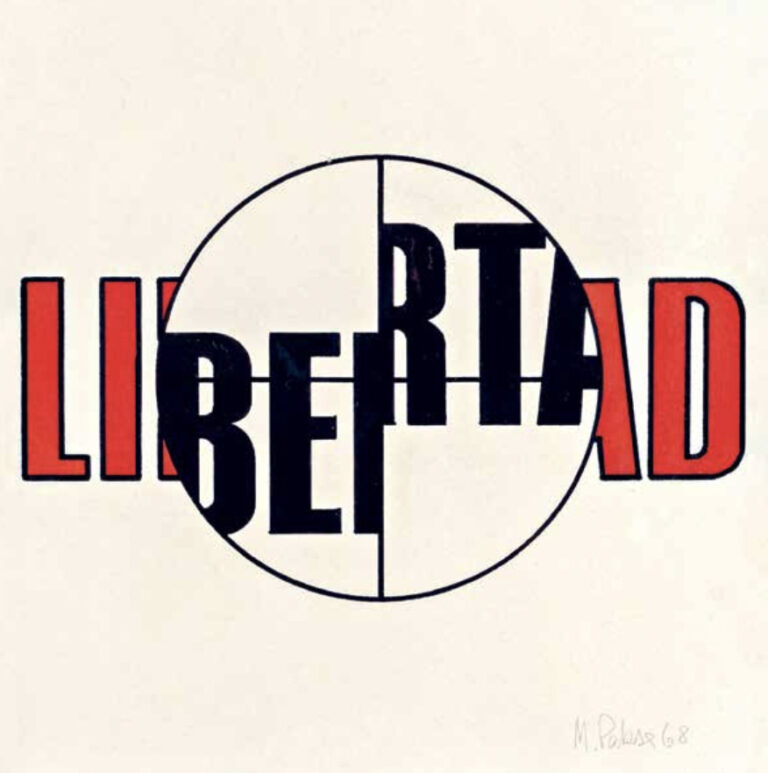
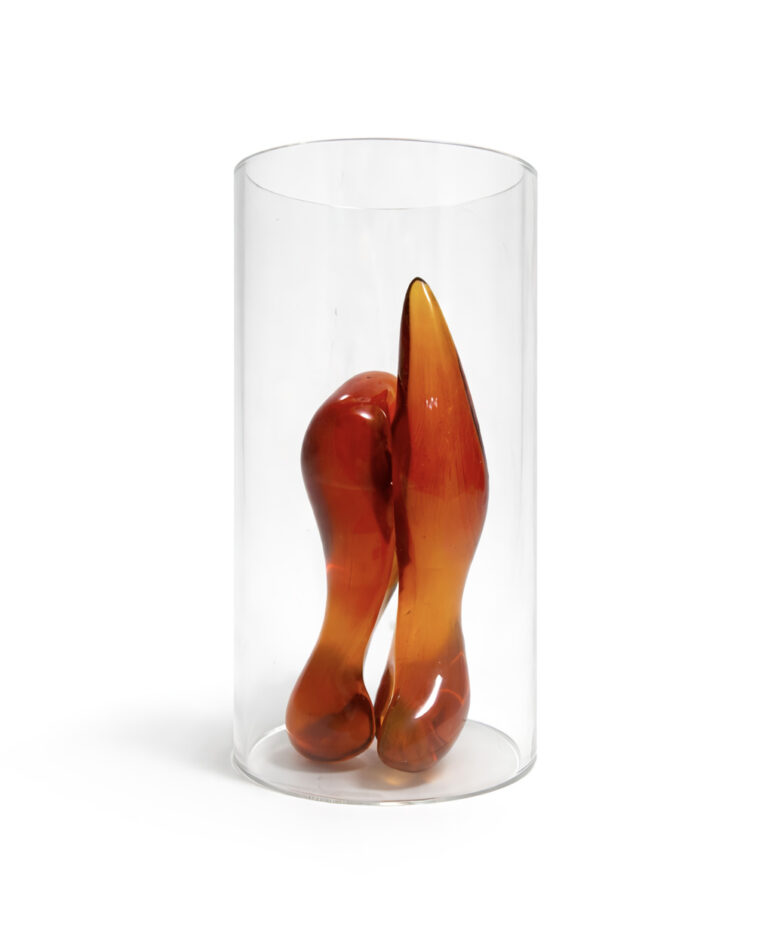
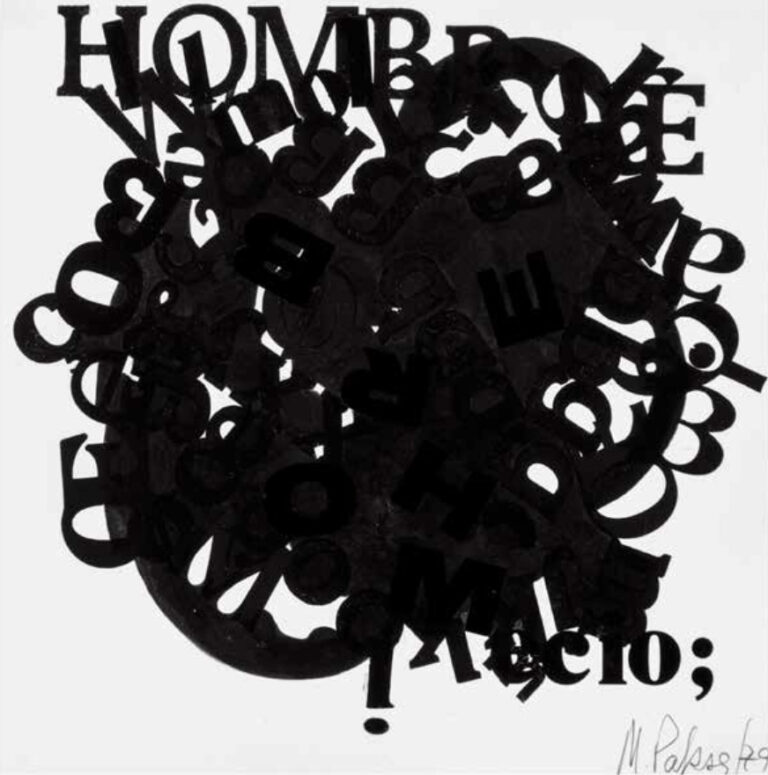
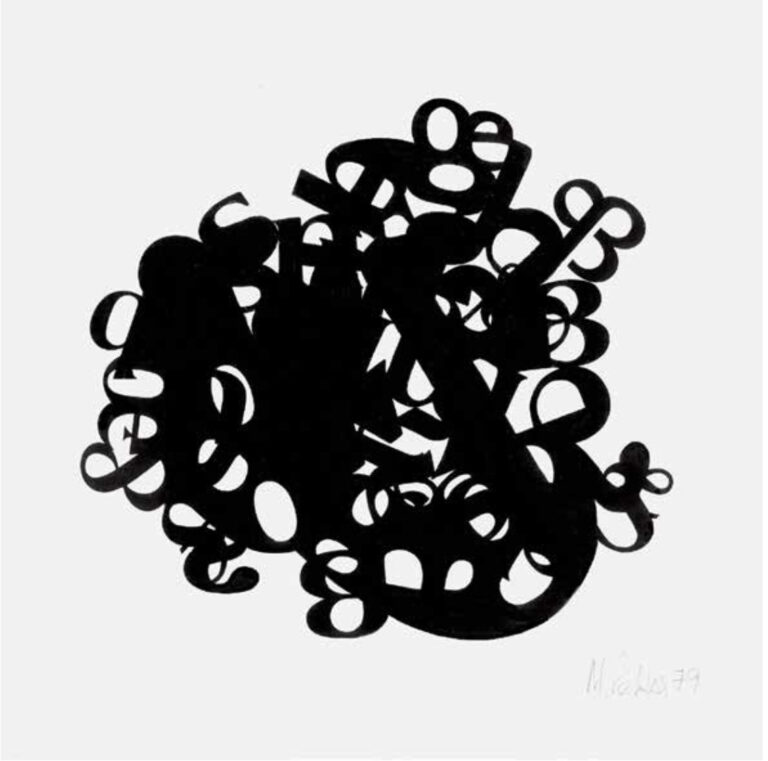
Margarita Paksa (Buenos Aires, 1932–2020) lived and worked between Buenos Aires and Canada. A qualified professor of sculpture, she was an artist of wide-ranging scope; throughout her career, she worked across sculpture, painting, drawing, printmaking, industrial design, object-based art, installations, multimedia art, video, and writing. She was an active participant in the multimedia visual arts scene starting in 1964, following her association with the Instituto Di Tella. She was a pioneer of conceptual and political art movements in Argentina during the 1960s.
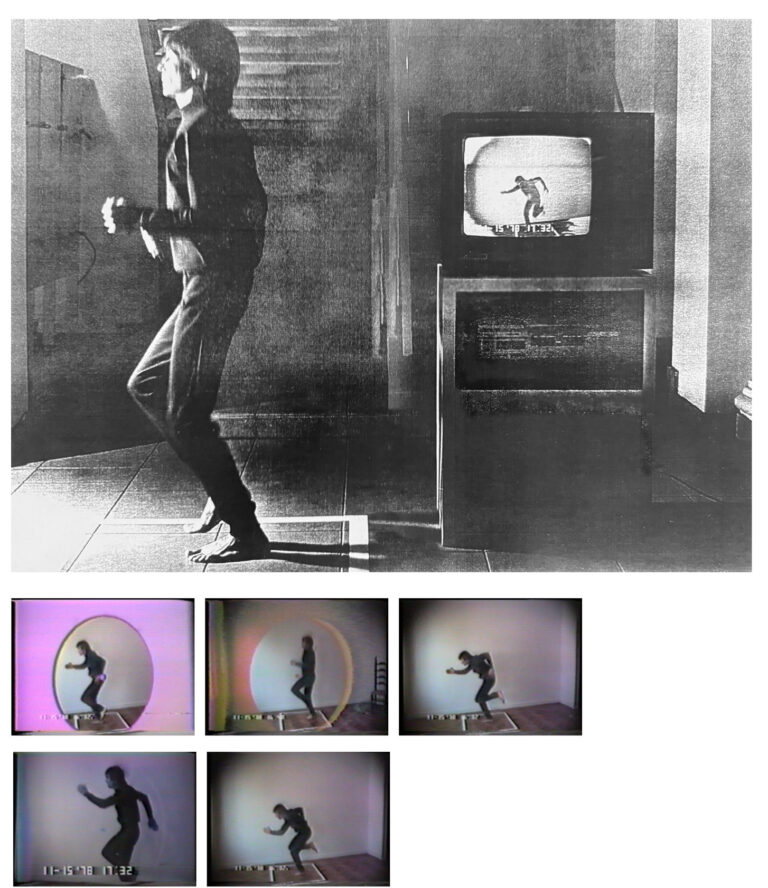
She gained international recognition in 2006 at the exhibition *La scoperta del corpo elettronico: Arte e video negli anni 70* in Turin, Italy, for her 1978 work *Tiempo de descuento*—considered the first piece of video art created in Argentina. She played a significant role in education as a professor of Multimedia in undergraduate and graduate programs at the Instituto Universitario Nacional del Arte (IUNA). Additionally, as a researcher for CONICET, she led various research projects focused on “art in public space” and “net.art.”
In 2004, the Espigas Foundation published her bilingual book *Proyectos sobre el discurso de mí* (Projects on the Discourse of the Self), which focused on projects submitted to the Di Tella Institute during the 1960s. That same year, she received a Guggenheim Fellowship to further her research.
She delivered lectures and seminars at various conferences and roundtables—both in Argentina and abroad—addressing themes such as art and politics and art in public spaces; venues included the Museum of Latin American Art of Buenos Aires (MALBA), the Faculty of Fine Arts in La Plata, and the Faculty of San Carlos in Valencia, Spain. Additionally, during her numerous exhibitions in Canada, she taught courses at the Ottawa School of Art, as well as at institutions in New Brunswick and at Concordia University in Montreal.
She published numerous essays, notably studies on Rorschach inkblots and on the figures of Marcel Duchamp and Macedonio Fernández; starting in 1996, she wrote about art and technology, a subject she explored extensively throughout her multimedia artistic career.
She served on juries for faculty appointments at major art schools across the country, including those in Tucumán, Rosario, and Córdoba. She also worked as a curator at the Museum of Modern Art of Buenos Aires for the exhibition *Ejercicios de Ricardo Carreira* (Exercises by Ricardo Carreira). Her work is held in major national and international museums and private collections. Her accolades include the Fortabat Foundation’s First Prize for Painting, the Faena District Multimedia Prize, the 2004 Guggenheim Fellowship, and the Installation Prize at the 5th International Cairo Biennale in Egypt (1994).
She engaged in significant international activity in collaboration with the Henrique Faria gallery, participating in exhibitions such as Volta 5, arteBA, Pinta New York, ARCO Madrid, and Art Brussels in 2009; and in 2010, Pinta London, *Nuevos Conceptualismos* (New Conceptualisms), and a critically acclaimed exhibition in New York. In 2011, he presented a solo project at ARCO Madrid. In his final years, he worked on a book about minimalism—to be published by the MNBA Neuquén—and on an anthology of his work, conceived to accompany the retrospective exhibition the Museum of Modern Art of Buenos Aires was planning to dedicate to him.
In 2025, Galería Del Infinito exhibited his work in the show *Corrientes alternas* (Alternating Currents). That same year, the Museum of Latin American Art of Buenos Aires is preparing a solo exhibition aimed at highlighting the significance of his artistic output.

view more
artworks

CONTACT GALLERY

CONTACT GALLERY


CONTACT GALLERY


CONTACT GALLERY

CONTACT GALLERY

CONTACT GALLERY

CONTACT GALLERY

CONTACT GALLERY

CONTACT GALLERY
CONTACT GALLERY

CONTACT GALLERY

CONTACT GALLERY
others artists
Mariela Vita

Victor Magariños D.
Emilio Renart

Emilio Pattoruti

Gyula Kosice

Osvaldo Lamborghini

Alberto Greco

Clorindo Testa

Ventoso

Rogelio Polesello

Raúl Lozza

Matilde Marín

Martin Reyna

Marcela Cabutti
Luis Tomasello

Julio Le Parc

Federico Manuel Peralta Ramos

Esteban Pastorino

Enio Iommi

Beto De Volder

Axel Straschnoy

Alberto Heredia
