biography
Gyula Kosice was born into a Hungarian family in the city of Kosice in 1924. He arrived in Argentina at the age of four. He became a naturalized Argentine citizen. A sculptor, painter, theorist, and poet, he is one of the pioneers of kinetic, light, and hydrokinetic avant-garde art, as well as the convergence of art, science, and technology. He studied drawing and modeling at independent art schools. In 1944, he created Röyi, the first articulated and mobile sculpture in Latin America. That same year, he co-edited the magazine Arturo, which advocated for art of pure invention, non-figurative in nature.
In 1945, he co-founded Arte Concreto – Invención (the concrete art avant-garde) and published Invención (mobile sculptures, theory, and poems). In 1946, he founded Arte Madí, named the movement, and wrote its manifesto. He advocated for total creation and invention, freeing art from all constraints. He published eight issues of the magazine Arte Madí Universal. He used neon gas in a work of art for the first time on the international stage. In 1947, he held his first solo exhibition at the Bohemien Club, Galerías Pacífico, marking the first entirely non-figurative exhibition in Latin America. In 1948, he held an exhibition of Madí Art at the Salon des Réalités Nouvelles in Paris, establishing Madí internationally.
He won the Di Tella Prize in 1962 and the Konex Platino Award in 1982. He was awarded the title of Knight of Arts and Letters by the French government in 1989. He received the Lifetime Achievement Award in the Visual Arts, presented by the National Arts Fund, in 1994.
He was declared an Illustrious Citizen of the City of Buenos Aires in 1997. He was honored by the National Senate in 2006 and was awarded the National Culture Award in 2007. The National Secretariat of Culture held a tribute to his 70-year career in 2012.
In 1991, he held his Retrospective Exhibition at the National Museum of Fine Arts, and in 1999, he exhibited more than 80 works in Anticipaciones at the Recoleta Cultural Center. He participated in the Big Bang Exhibition at the Pompidou Center in Paris in 2005.
In 2013, the Pompidou Cultural Center created the Kosice and Concrete Art Gallery, featuring works from the 1940s, which opened as part of the Modernites Plurielles exhibition. The works became part of the Pompidou’s Permanent Collection.
He published 18 books. His works are held in museums and private collections in Argentina, Latin America, the United States, Europe, and Asia.
He passed away at the age of 92 in 2016.
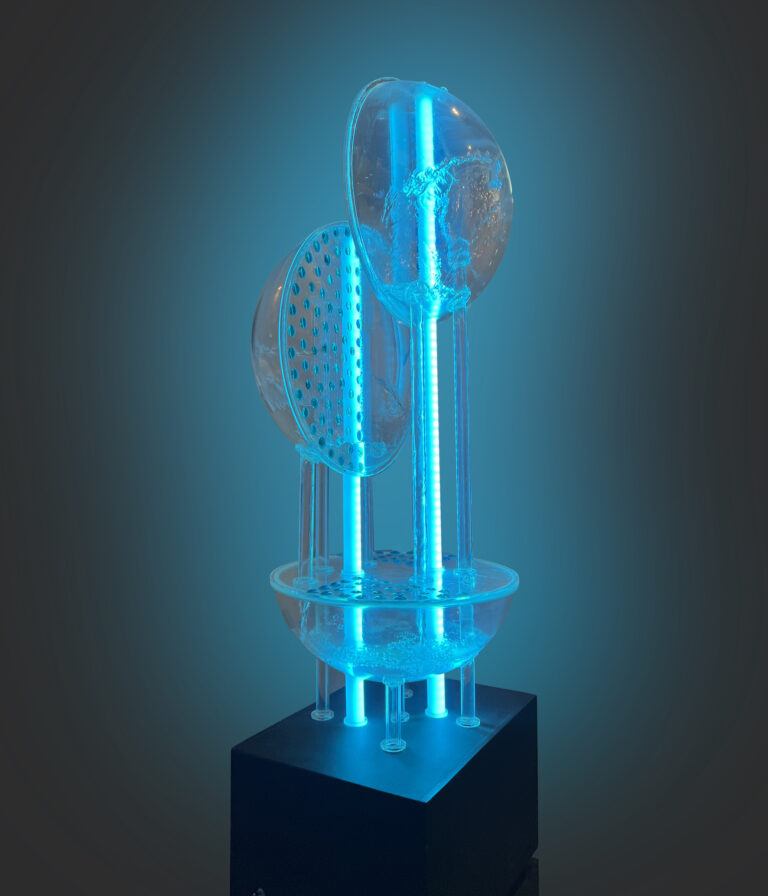
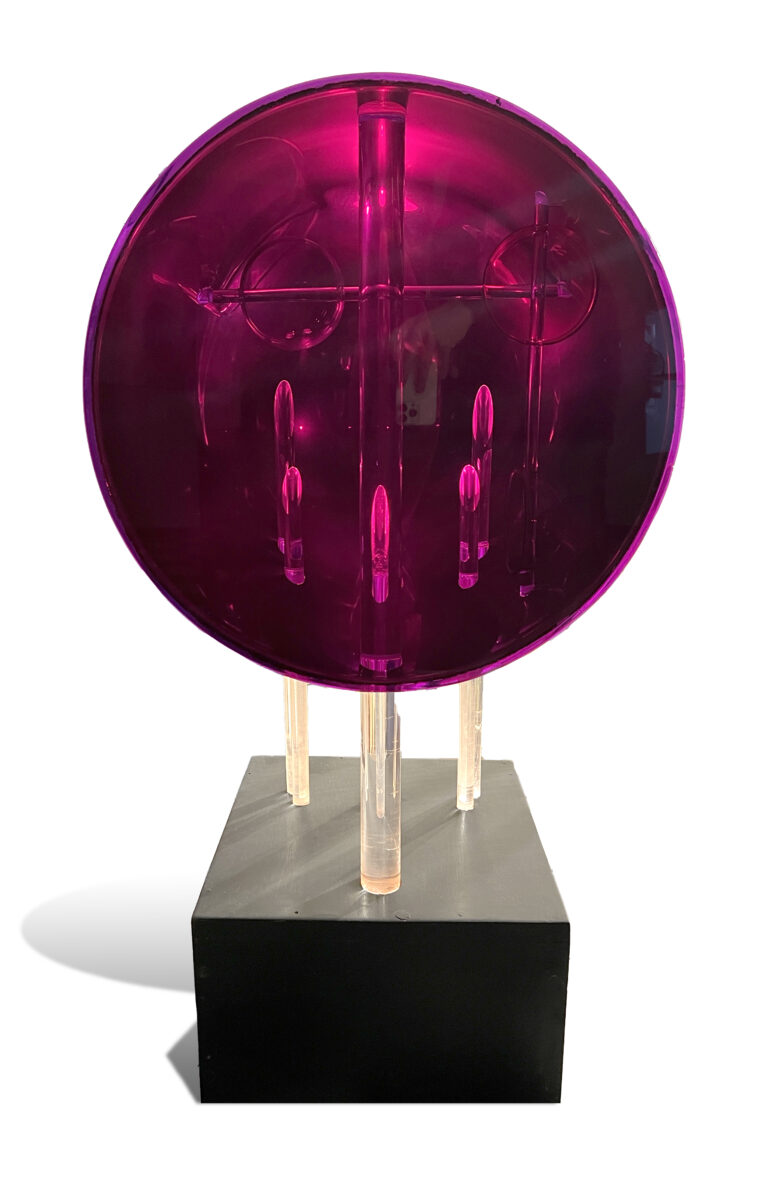
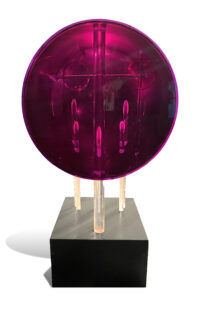
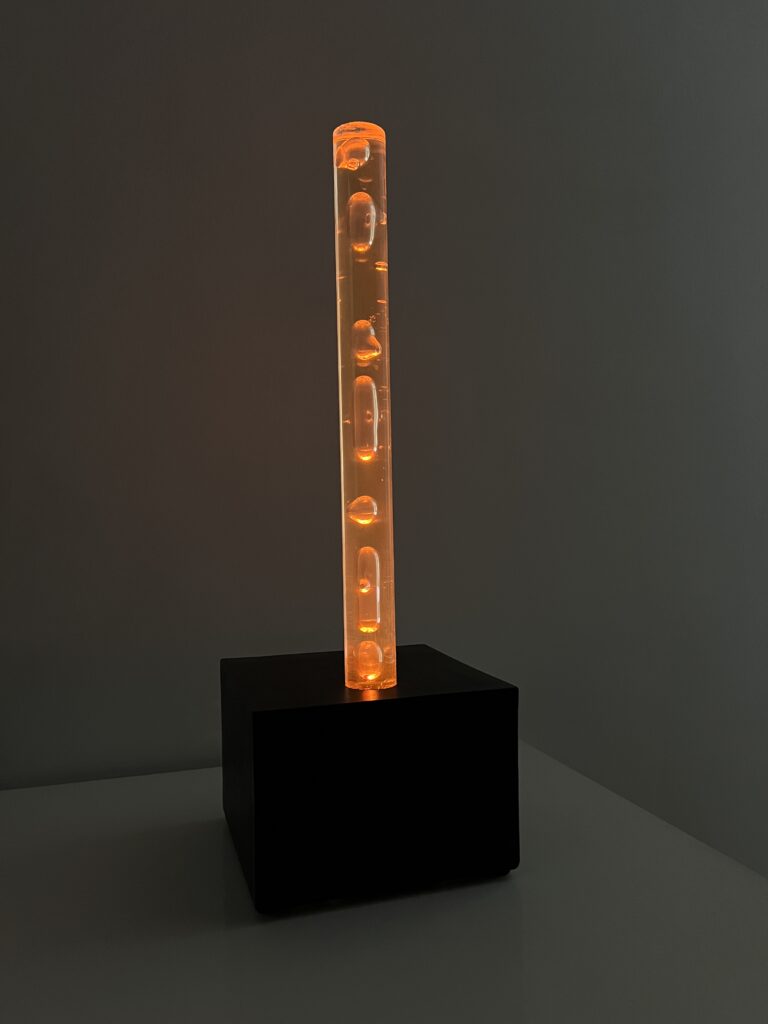
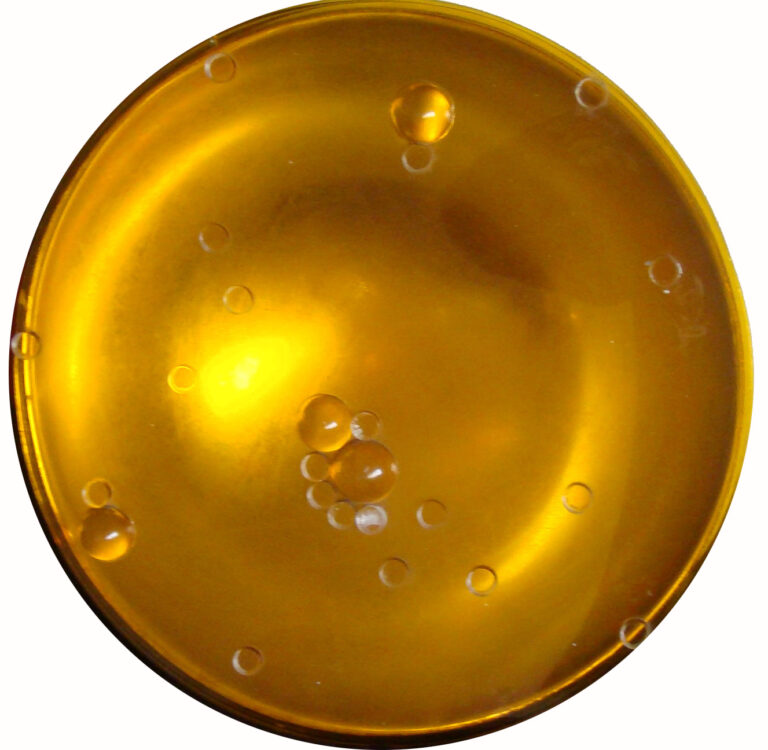
Kosice created hydrokinetic sculpture, introducing moving water as an essential element of his works. He was the first to use water in a work of art. Drawing on his statement in *Arturo*: “Man is not destined to end his days on earth,” he created *Ciudad Hidroespacial* (Hydro-Space City), an urban, artistic, and poetic project that proposes habitats suspended in the air using the energy contained in water. Most of this work is now housed at the Museum of Fine Arts of Houston. He has created monumental urban sculptures in numerous cities around the world, as well as hydro-spatial installations and hydro-murals. He has held 50 solo exhibitions and participated in over 500 group shows.

view more
artworks

CONTACT GALLERY
CONTACT GALLERY
CONTACT GALLERY
CONTACT GALLERY