biography
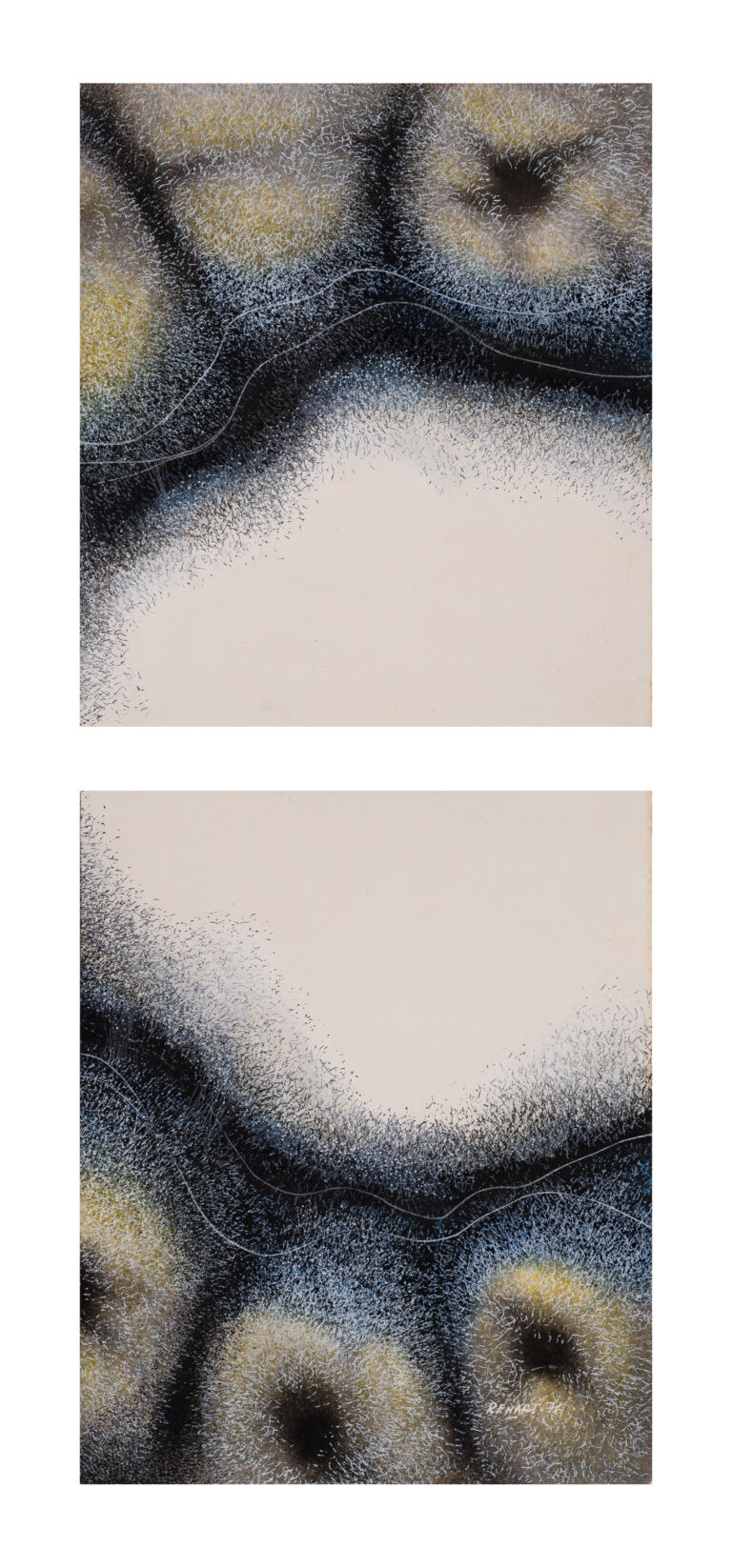
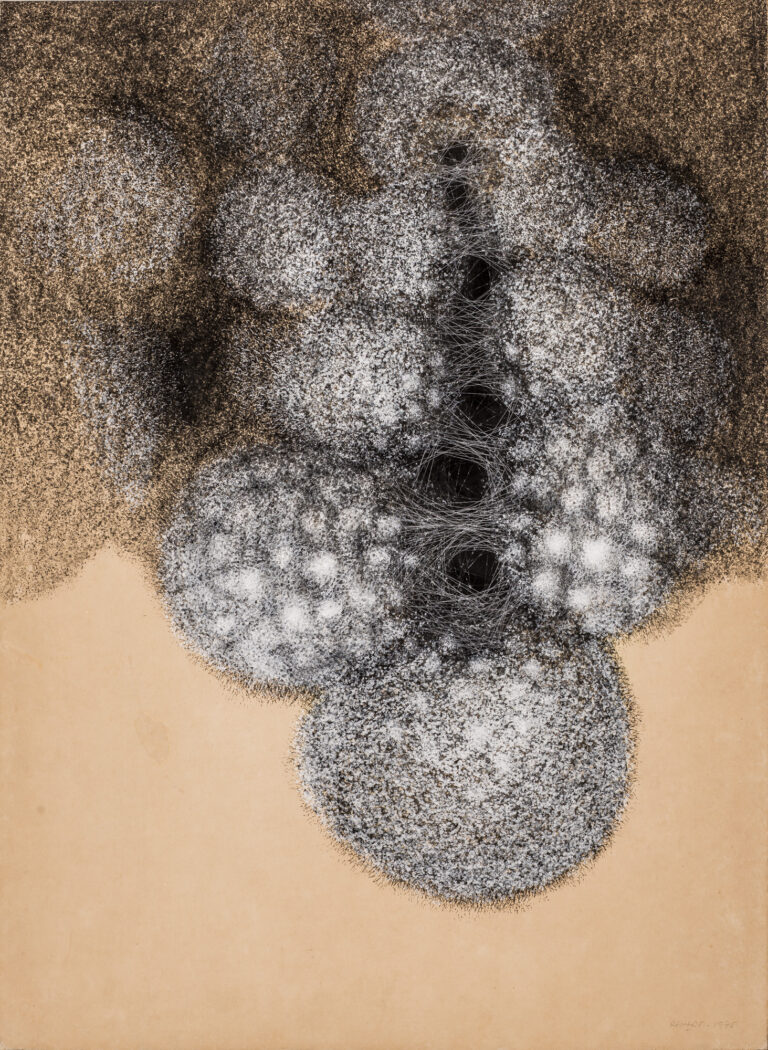
Emilio Renart (1925–1991) approached his artistic practice from various angles, freely and simultaneously employing genre conventions—a concept he termed *integralismo* (integralism). His interest in innovation gave him a distinct identity, independent of the demands of the era. His body of work is marked by a desire to explore as many variations as possible in the expression of his “writing”—or, as he preferred to call it, his “personal calligraphy.” According to Renart’s principles, integralism involves transcending the boundaries set by the frame while conceptually linking elements that would ordinarily be considered opposites: wall, floor, sculpture, painting, and drawing. Integralism was the core tenet of his artistic practice, a concept he ultimately encapsulated under the title *Integralismo. Bio-Cosmos*.
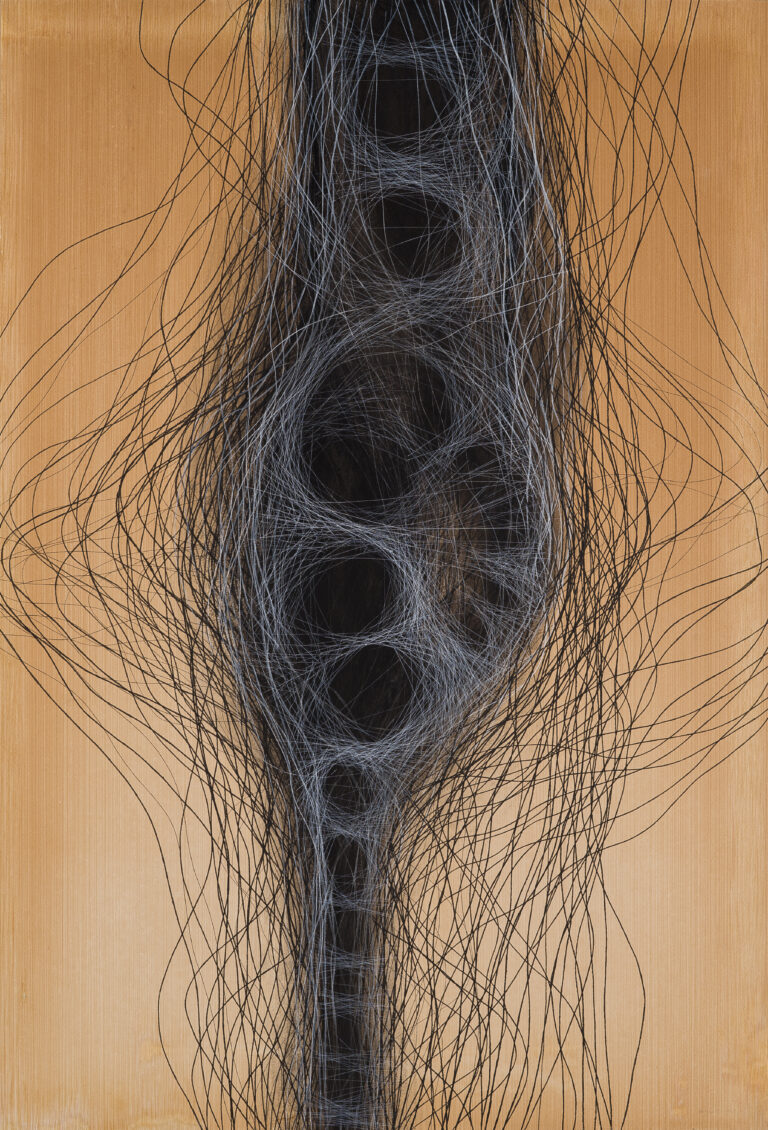
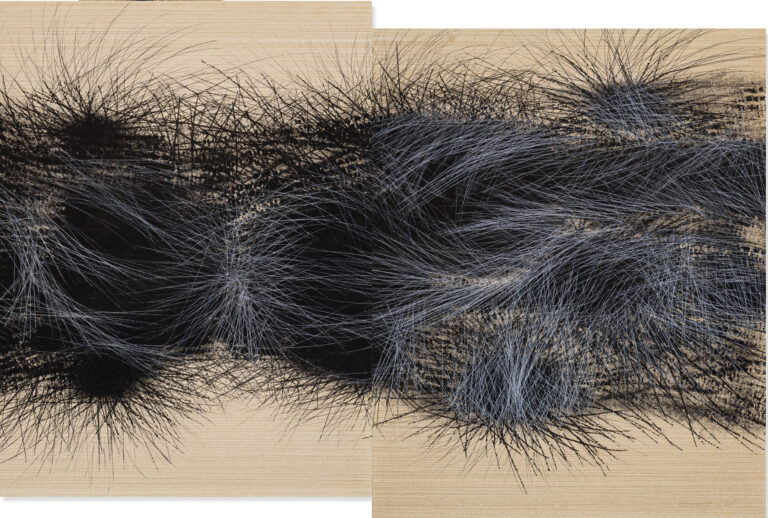
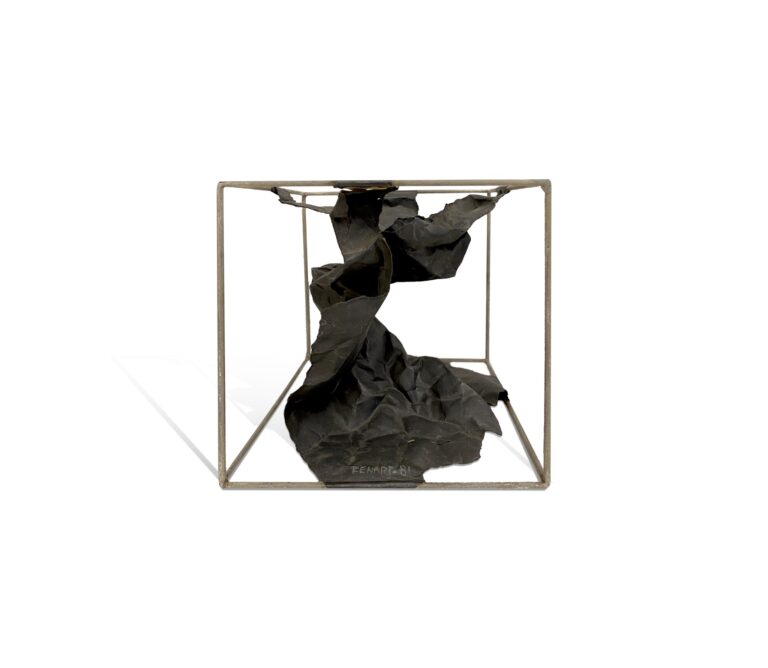
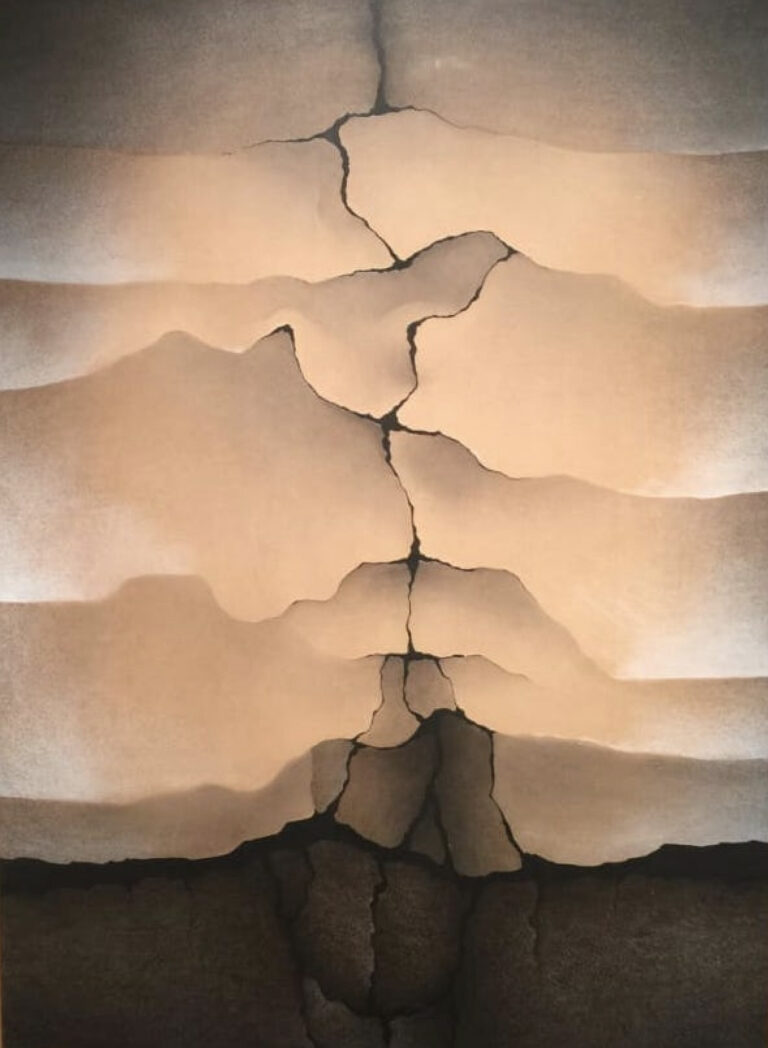
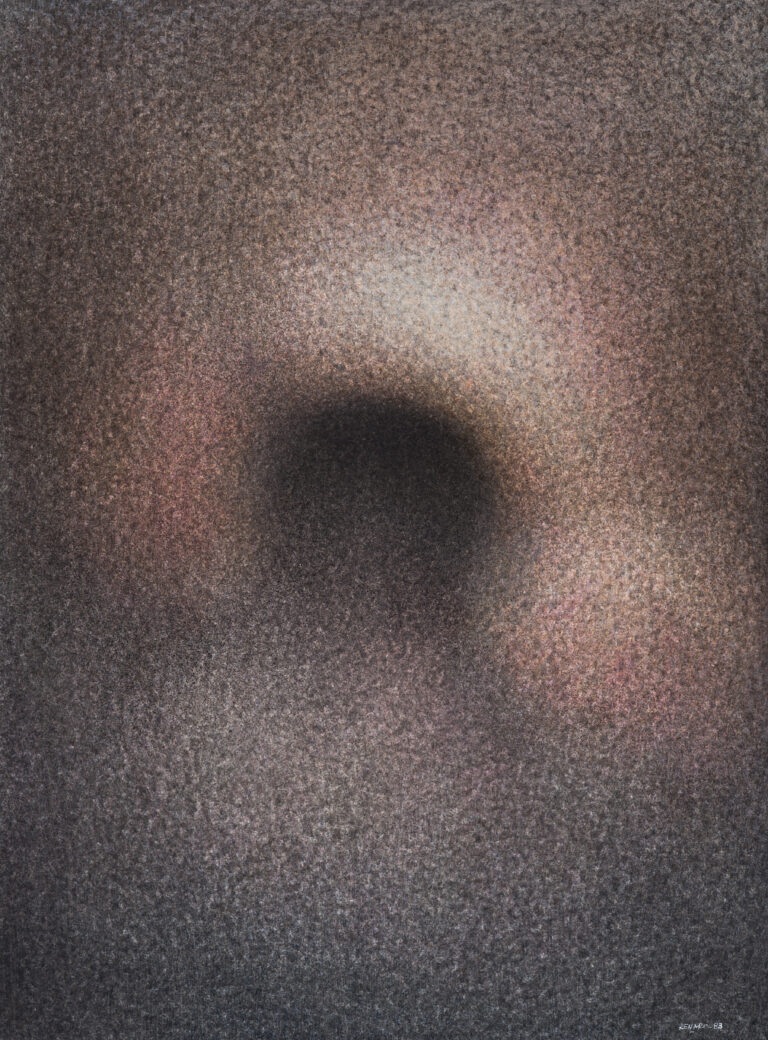
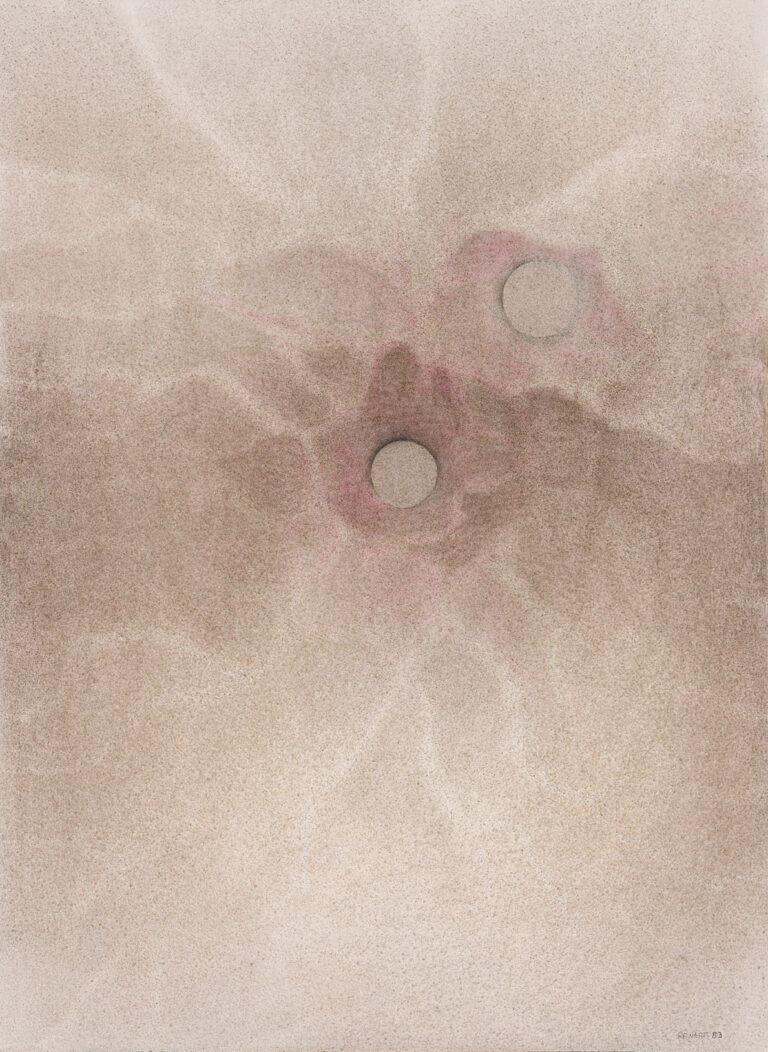
His drawings reveal an exploration of the limits of the medium through a gesture that highlights Renart’s affinity for the physical properties of materials. His works—simultaneously poetic objects and theoretical tools—often combined (as seen here) subtle abstract drawing with a functional beauty; this clearly aimed to demonstrate the formal conditions of aesthetic experience, as Renart viewed artistic behavior as a model for self-improvement, seeking to elevate the individual through creativity.
Between 1962 and 1967, Renart created a series comprising five large-scale pieces titled *Integralismo Bio-Cosmos*. With an interest in the biological sciences, physics, and zoology, Renart began to formulate a conception of the universe based on nuclear physics. He traced the origins of the world back to energetic matter, from which the development of animal life and human consciousness would emerge—the latter acting as an ordering principle deeply connected to matter, biological life, and the unconscious. The *Bio-Cosmos* moved beyond the classical concept of representation; it was a presentation—a biological body that asserted its presence to the viewer by advancing into and occupying the space. *Integralismo Bio-Cosmo Nº5* (1967), which was exhibited at the São Paulo Biennial, was a true cosmic materialization; those who saw it remember the work—featuring polyester resin combined with integrated lights—as a genuine marvel. The piece fell apart on the return journey to Buenos Aires.
A large portion of his body of work has been lost, as he discarded some pieces himself, while others deteriorated due to the quality of the materials used to create them.
Emilio Renart was born in Mendoza on February 4, 1925. He was a professor of drawing, illustration, and printmaking—having graduated from the “Prilidiano Pueyrredón” National School of Fine Arts—and also held the title of Senior Professor of Painting, awarded by the “Ernesto de la Cárcova” Higher School of Fine Arts. He dedicated a significant part of his career to researching and working on the subject of creativity, a topic to which he devoted a
book published in 1987.
He held his first solo exhibition, titled *Pinturas* (Paintings), in 1958 at the “Estímulo de Bellas Artes” Association in Buenos Aires. In 1964, he was awarded the Special Prize by the Torcuato Di Tella Institute. The following year, he won the First Prize for drawing at the George Braque Awards, which included a scholarship for study abroad. Thanks to this award, Renart traveled to France in 1968. His work was also part of the Argentine submission to the 9th São Paulo Biennial (Brazil, 1967). Between 1969 and 1976, he stepped away from artistic practice to focus on teaching and research. Nevertheless, during that period, he participated in various exhibitions, such as *Veinticuatro Artistas Argentinos* (Twenty-Four Argentine Artists), which toured Switzerland (Basel and Lugano) and Germany (Düsseldorf, Bonn, and Hamburg). He resumed his artistic practice by participating in the *García Palou, Renart, Romero* exhibition at the Artemúltiple Gallery in Buenos Aires (1976). In 1982, he was awarded the Konex Prize in the Drawing category. Renart continued to produce and exhibit his works until his death in
Buenos Aires in September 1991.

view more
artworks

CONTACT GALLERY

CONTACT GALLERY

CONTACT GALLERY
CONTACT GALLERY
CONTACT GALLERY
CONTACT GALLERY

CONTACT GALLERY

CONTACT GALLERY
CONTACT GALLERY
CONTACT GALLERY
others artists
Margarita Paksa

Mariela Vita

Victor Magariños D.
Emilio Pattoruti

Gyula Kosice
Osvaldo Lamborghini

Alberto Greco

Clorindo Testa

Ventoso

Rogelio Polesello

Raúl Lozza

Matilde Marín

Martin Reyna

Marcela Cabutti
Luis Tomasello

Julio Le Parc

Federico Manuel Peralta Ramos

Esteban Pastorino

Enio Iommi

Beto De Volder

Axel Straschnoy

Alberto Heredia
